Farming in Mozambique
Over 82% of Mozambique’s population lives on less than US$3 a day, making Mozambique the second poorest country in the world. On my travels in northern Mozambique, I experience the realities of life for people living in extreme poverty first hand. In most regions of rural Mozambique, access to electricity is limited, infrastructure is in a poor condition, only about one in three children attends school and there is hardly any functioning healthcare system.
More than 85% of people in rural Mozambique depend on agriculture as a key livelihood. This means growing crops such as cassava or corn for their own subsistence, but also producing some goods for the local market (bananas, tomatoes, cucumbers). The work is very tough because there are virtually no tools (machines, fertilizers, pesticides) except muscle power, hoes, and machetes. Extreme heat and low soil productivity further complicate the work. There is no alternative - people depend on the land—the only available source of food and livelihood.
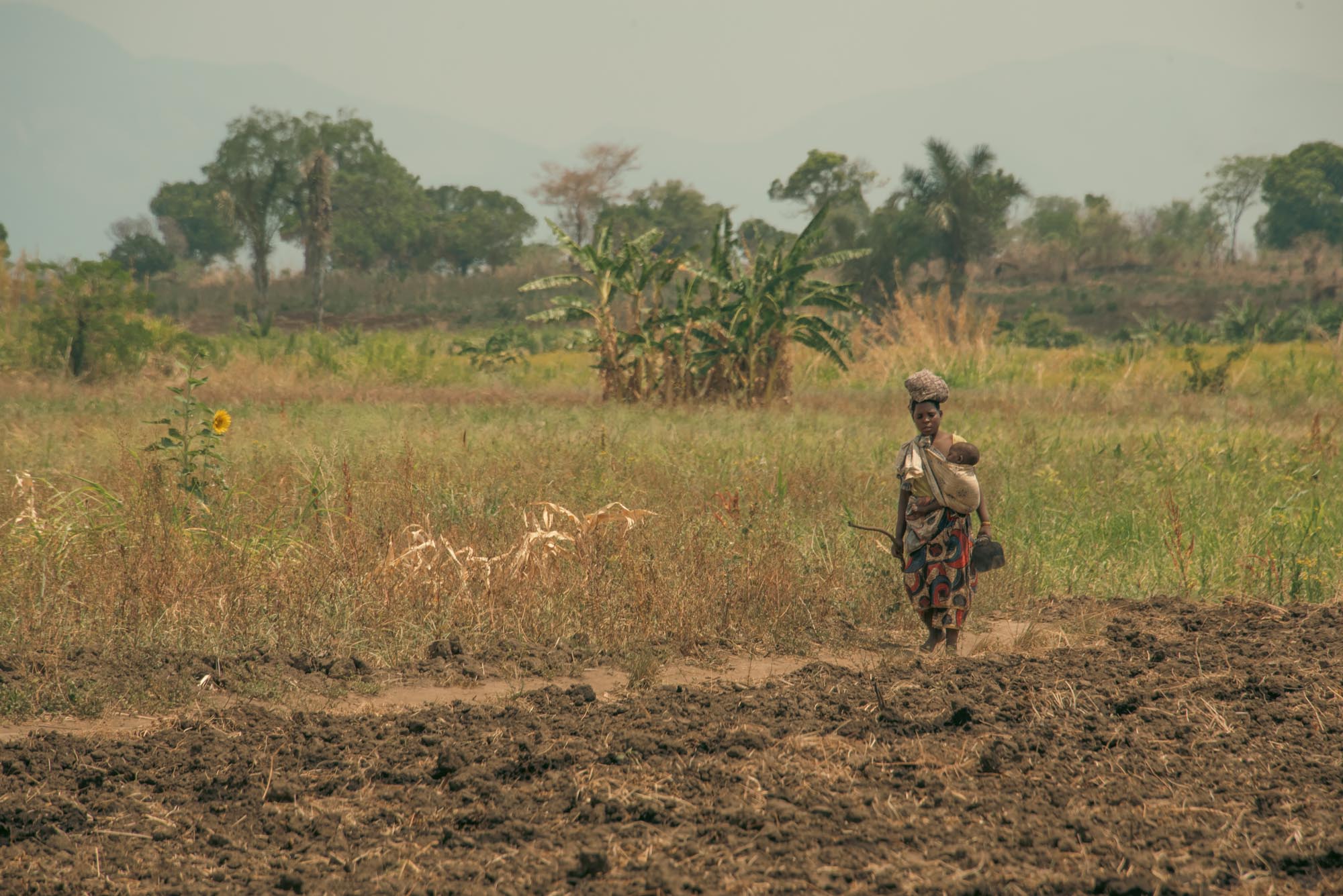
A hotspot of nature conservation
At the same time, Mozambique is home to a wide range of flora and fauna worthy of protection. Protected areas such as the Niassa Reserve (twice the size of Kruger National Park, but not half as well known), Gorongosa, Maputo, and Gilé National Parks make enormously important contributions to the protection of extensive Miombo dry forests. Elephants, hippos, buffalos, lions, kudus, gazelles, monkeys, snakes, and thousands of insect species can live here undisturbed. Protecting these ecosystems, however, can only be possible with the support of the communities living in or close to the national parks.
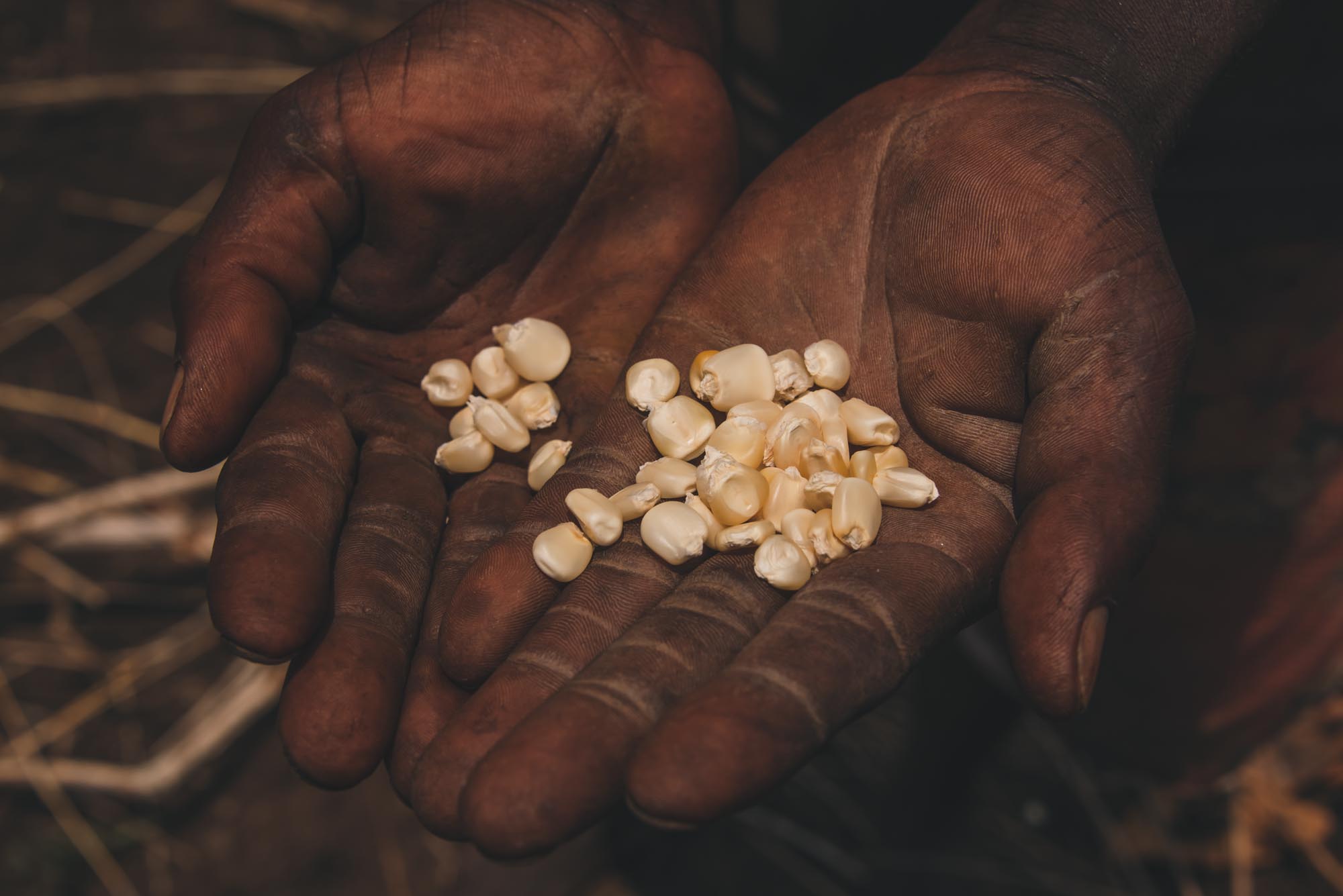
Challenges for communities and nature
During my last trip to Mozambique in October 2025, I witnessed the problem of the expansion of shifting cultivation on the border of Gilé National Park. In this traditional farming system, farmers regularly relocate their crops to new fertile soil. To do this, they clear forests and abandon their previous fields, on which natural ecosystem can regenerate over the years. In the face of population growth, pressure on protected areas is growing and there is a seemingly irresolvable conflict of interest between nature conservation and the livelihoods of the world’s poorest people.
Here, farmers provided their vision of a simple alternative to shifting cultivation: irrigation. Access to irrigation equipment could drastically improve their mode of production. The dependence on rain is very high in the region and prolonged droughts regularly result in yield losses. With irrigation, farmers could make their production more resilient towards the lack of precipitation during dry times. In addition, production could be diversified and crops with slightly higher water requirements (e.g., tomatoes, cabbage, beetroot, pumpkin) and higher commercial value. These could be grown and sold on the local market.
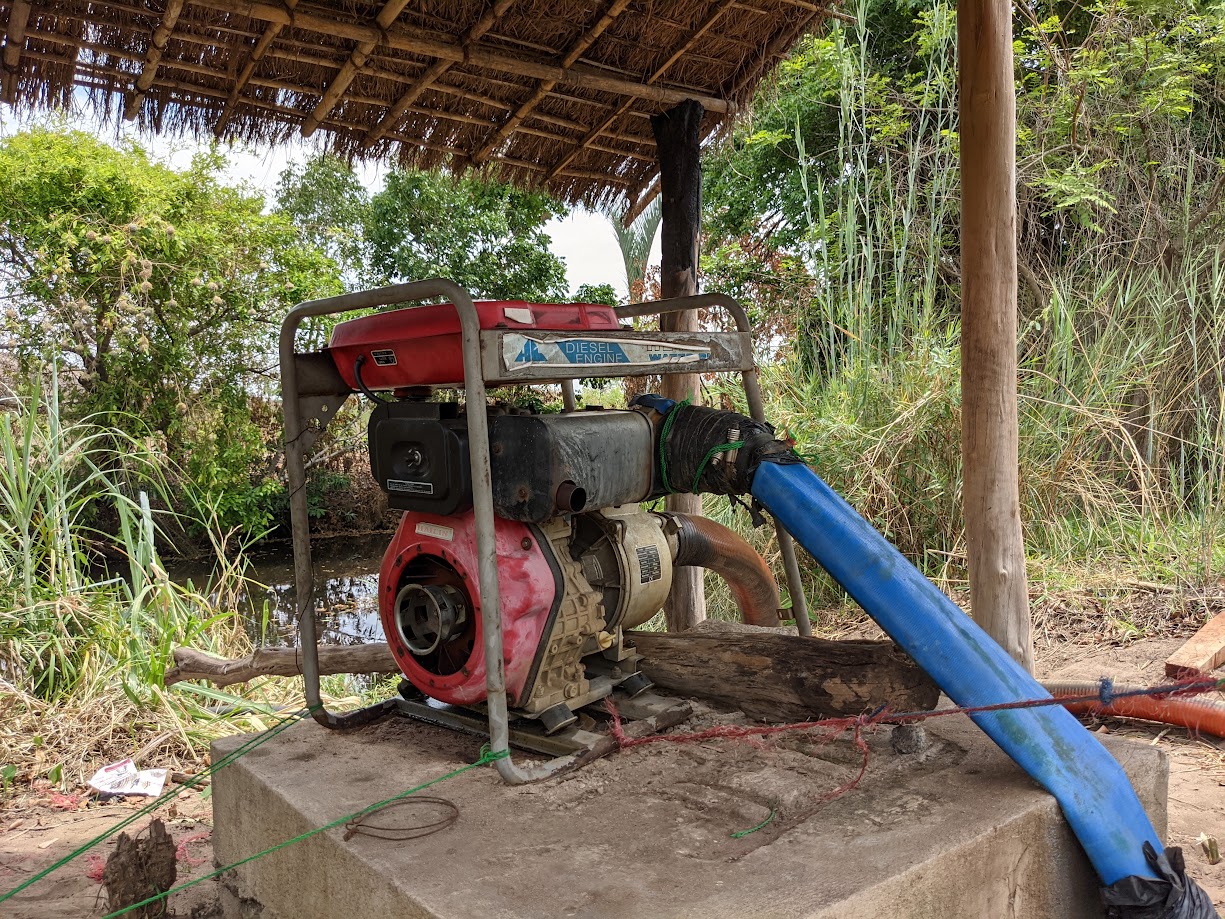
Currently, fields are rarely irrigated and if so, this is another layer of manual labor. With irrigation equipment, the use of labor can also be drastically reduced and the youngest family members are more likely to have the opportunity to attend school. Irrigation and the resulting stabilization and increase in productivity could therefore contribute to halting the expansion of shifting cultivation. I am hopeful that the provision of an irrigation pump in the name of the Gilé National Park can help farmers to enrich their farming portfolio and simultaneously improve the relationships between the park management and the communities.
Crowdfunding farm equipment
Leaving Mozambique I was wondering if it was possible to start a crowdfunding campaign to support and empower local people with simple technical means in the name of the National Park to enhance collaboration and promote nature conservation by alleviating poverty. After only a few weeks I was very proud to see that the campaign was successful! The fundraising was completed just before the end of 2025 - an amazing achievement which I did not take for granted. I am grateful and moved by the long list of generous contributors - many of which are colleagues or friends, but some also supported without any personal connection.
Thanks to a network of researchers, colleagues, and park staff, the money was successfully transferred to a local shop in Pebane in June 2026 and the park management successfully collected the pump and equipment. More recently, the pump was delivered to the target community Mualene, where a meeting with members of the two cooperatives was conducted.
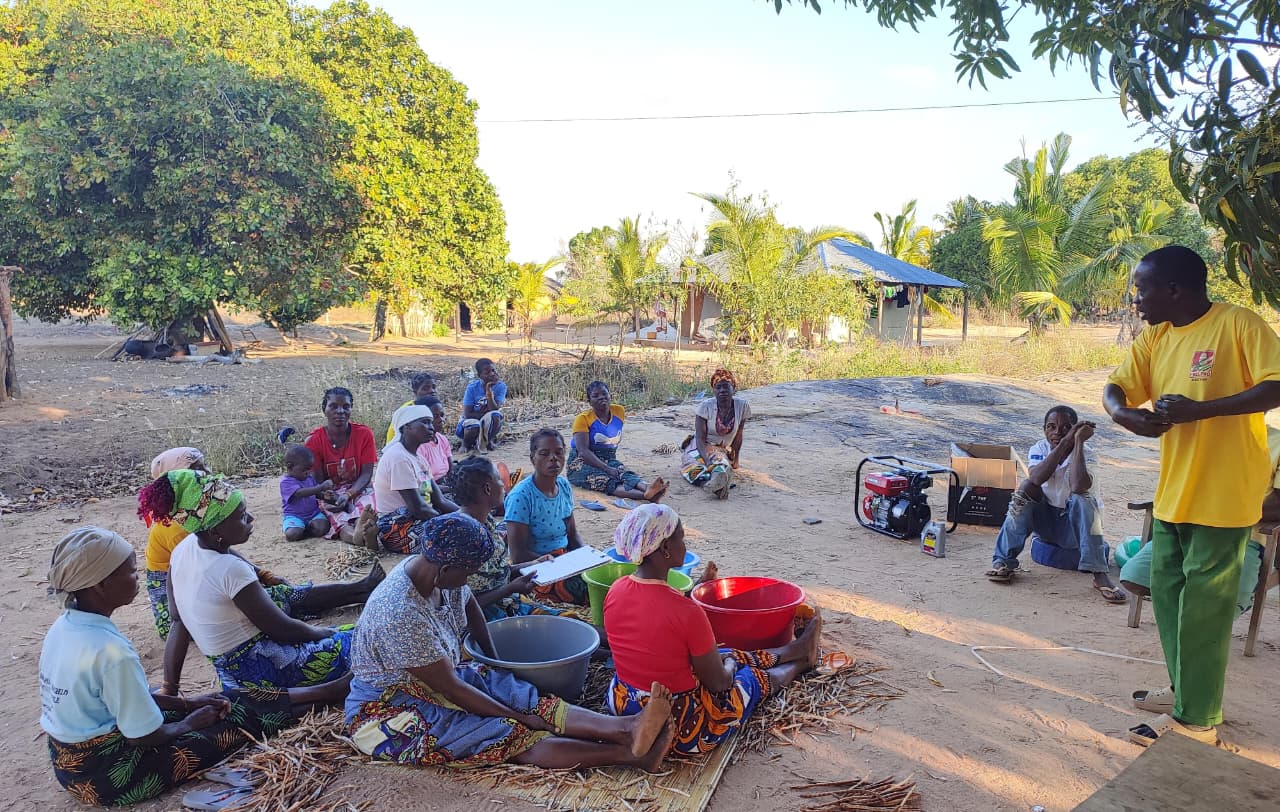
The meeting was followed by a training on techniques for operating the pump with 17 participants overall. The following day, the pump was tested in the field under real conditions.
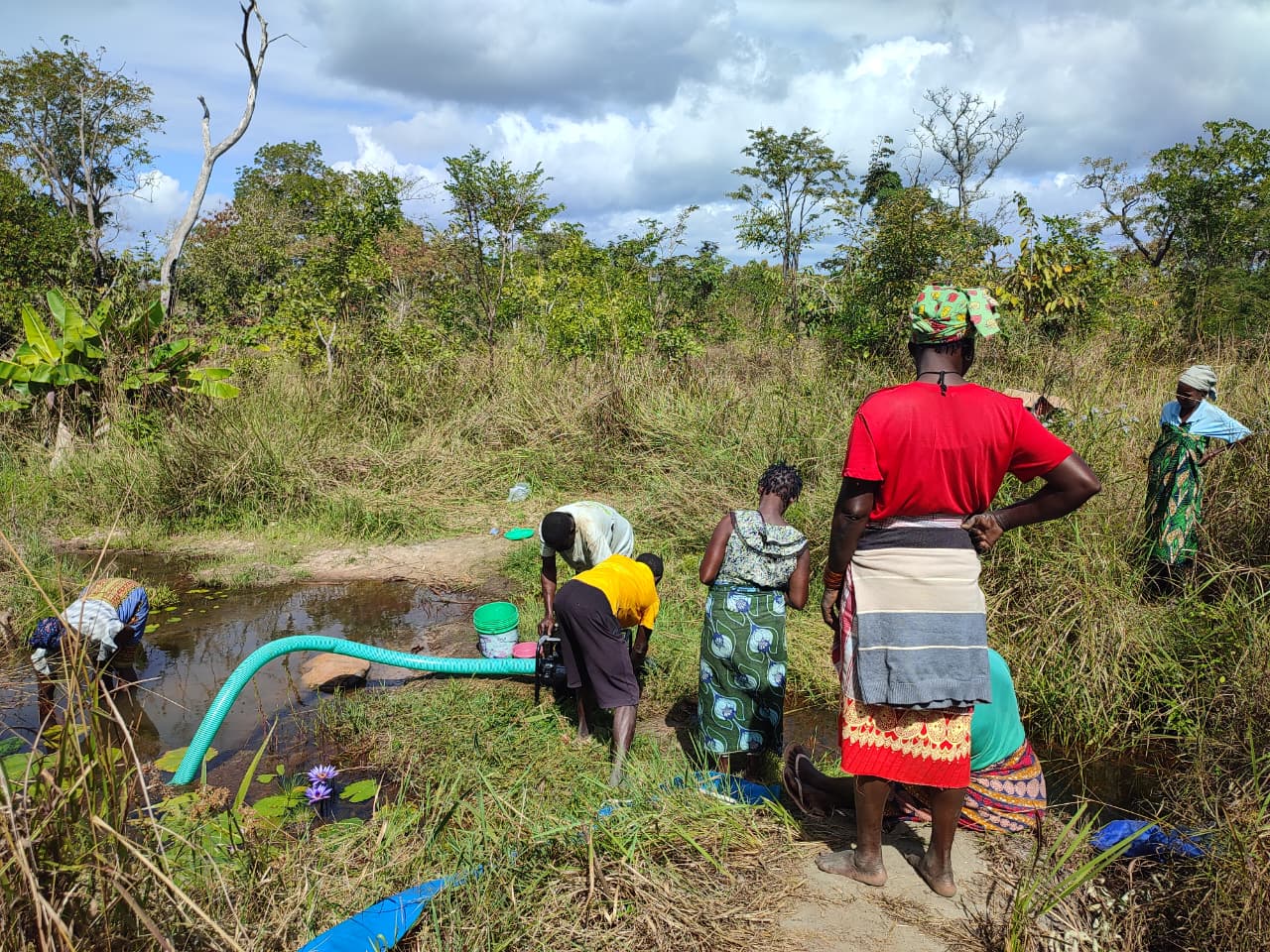
Following the first tests in the field, I have received two wonderful video messages which I want to share with you here.
Things did indeed take their time but the success of this campaign motivates me continue the pursuit to support more communities located close to Gilé National Park - reach out if you want to engage!